
Contents
The Day I Stopped Running
I was in Luang Prabang, Laos, three weeks into what was supposed to be a “comprehensive” Southeast Asian tour. I’d seen eleven temples, taken 437 photos, eaten at five “must-try” restaurants recommended by guidebooks, and I was completely, utterly miserable.
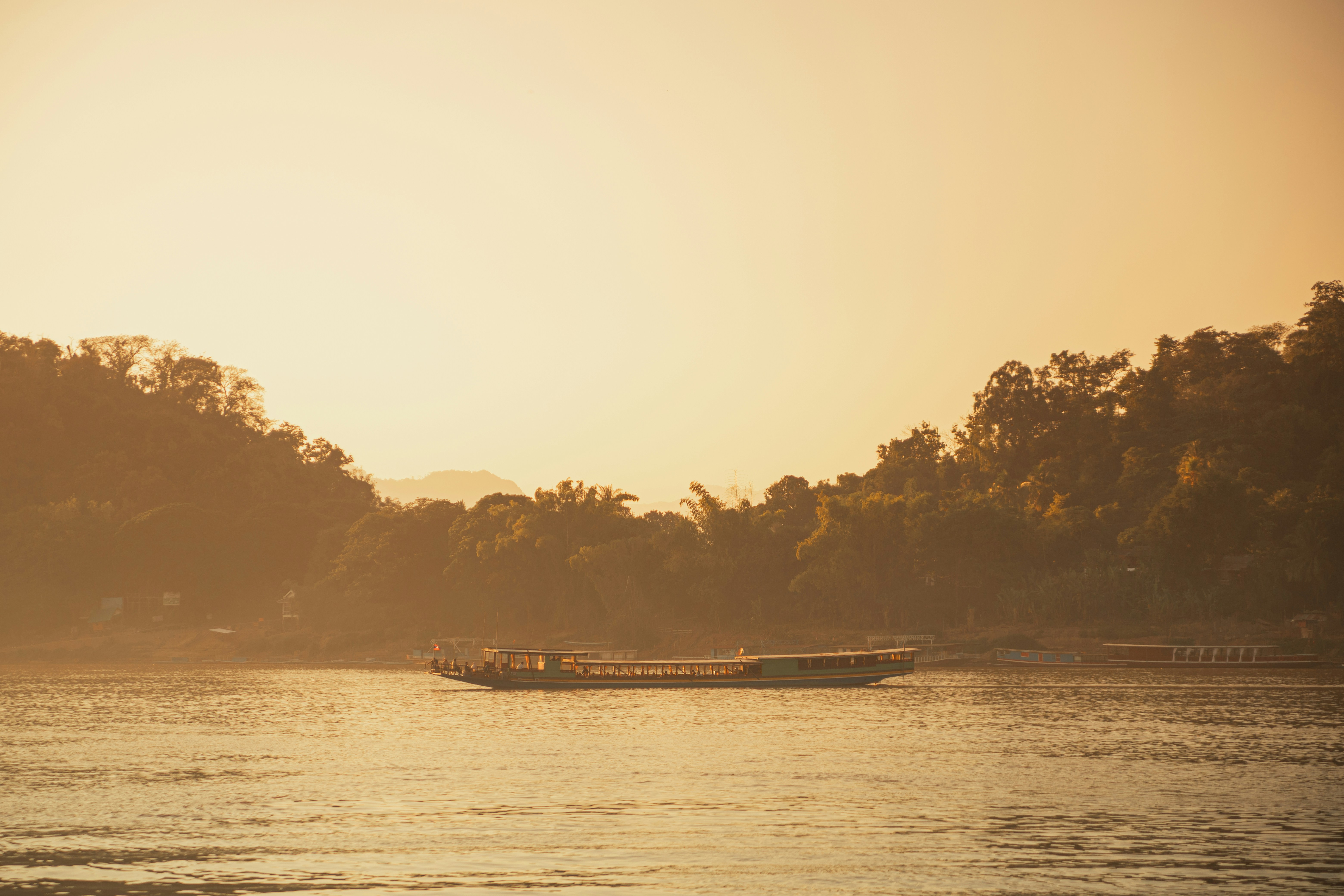
That morning, I’d planned to take a boat to the Pak Ou caves, check another item off my list, then race to a cooking class in the afternoon. But something—exhaustion, perhaps, or intuition—made me skip the boat. Instead, I found myself sitting on a worn wooden bench by the Mekong River, watching fishermen drift by in narrow boats, their nets catching the golden-hour light.
An elderly woman settled beside me, arranging baskets of herbs she’d picked at dawn. She didn’t speak English. I didn’t speak Lao. We sat together for an hour, watching the river flow, occasionally exchanging smiles.
And in that hour of doing nothing, I felt more connected to Laos than I had in three weeks of trying to see everything.
That’s the day I stopped being a tourist and started being a traveler.
That moment by the Mekong taught me what no travel guide had: slow travel isn’t a tactic—it’s a fundamental reorientation of why we leave home in the first place.
What Is Slow Travel, Really?
Slow travel isn’t just about spending more time in one place (though that’s part of it). It’s about depth over breadth. Experience over achievement. Connection over collection.
It’s also lighter on the planet—fewer flights, less rushed consumption, more support for local communities that actually benefit from your presence.
Instead of asking “What should I see?”, slow travel asks “What can I learn?” Instead of rushing from landmark to landmark, it lingers. It notices. It breathes.
Here’s what I’ve discovered after years of practicing slow travel across Asia: these are the experiences that don’t just create memories—they fundamentally shift how you move through the world.
Living With Strangers Who Become Family
In Northern Thailand, I spent a week with a Karen hill tribe village through a community-based tourism program. No hotels. No restaurants. Just a bamboo hut on stilts, meals cooked over an open fire, and the daily rhythm of village life.
The first night, I felt wildly out of place. By day three, I was helping harvest rice (badly), laughing at my own clumsiness, the women teaching me through patient demonstration and endless humor. By day five, the village elder—a woman with silver-coiled neck rings and eyes that had witnessed nearly eight decades—invited me to sit with her as she wove.
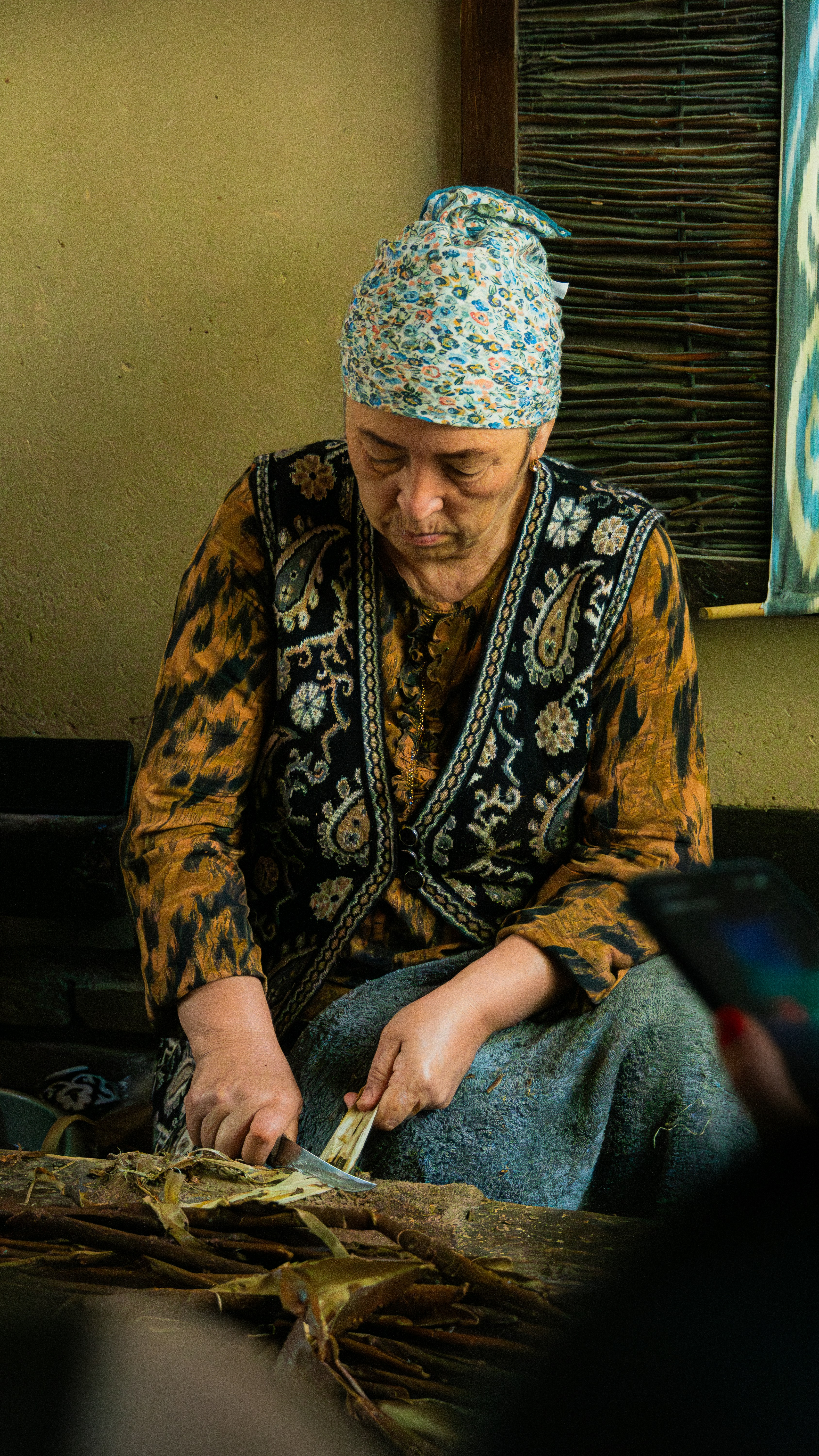
“Tourists come, take pictures, leave,” she said in Thai, her granddaughter translating. “You stayed. You tried. Now you are not guest. You are family.”
I left that village having learned something guidebooks can’t teach: how community functions when people truly depend on each other. How joy is found in shared work, not individual achievement. How much we’ve lost in the name of progress.
Learning Crafts That Take Decades to Master
In Kyoto, I found a workshop offering shibori (Japanese resist dyeing) classes. Not a “make a scarf in two hours” tourist experience—the real thing. A three-day apprenticeship with Master Tanaka, who’d been practicing shibori for 47 years.
Day one, I ruined twelve pieces of silk. Day two, I mastered one basic technique. Day three, Tanaka-san handed me a piece I’d dyed—imperfect, but recognizably shibori.
“Good,” he nodded, surprising me. “You have learned patience. Craft is 90% patience. 10% skill.”
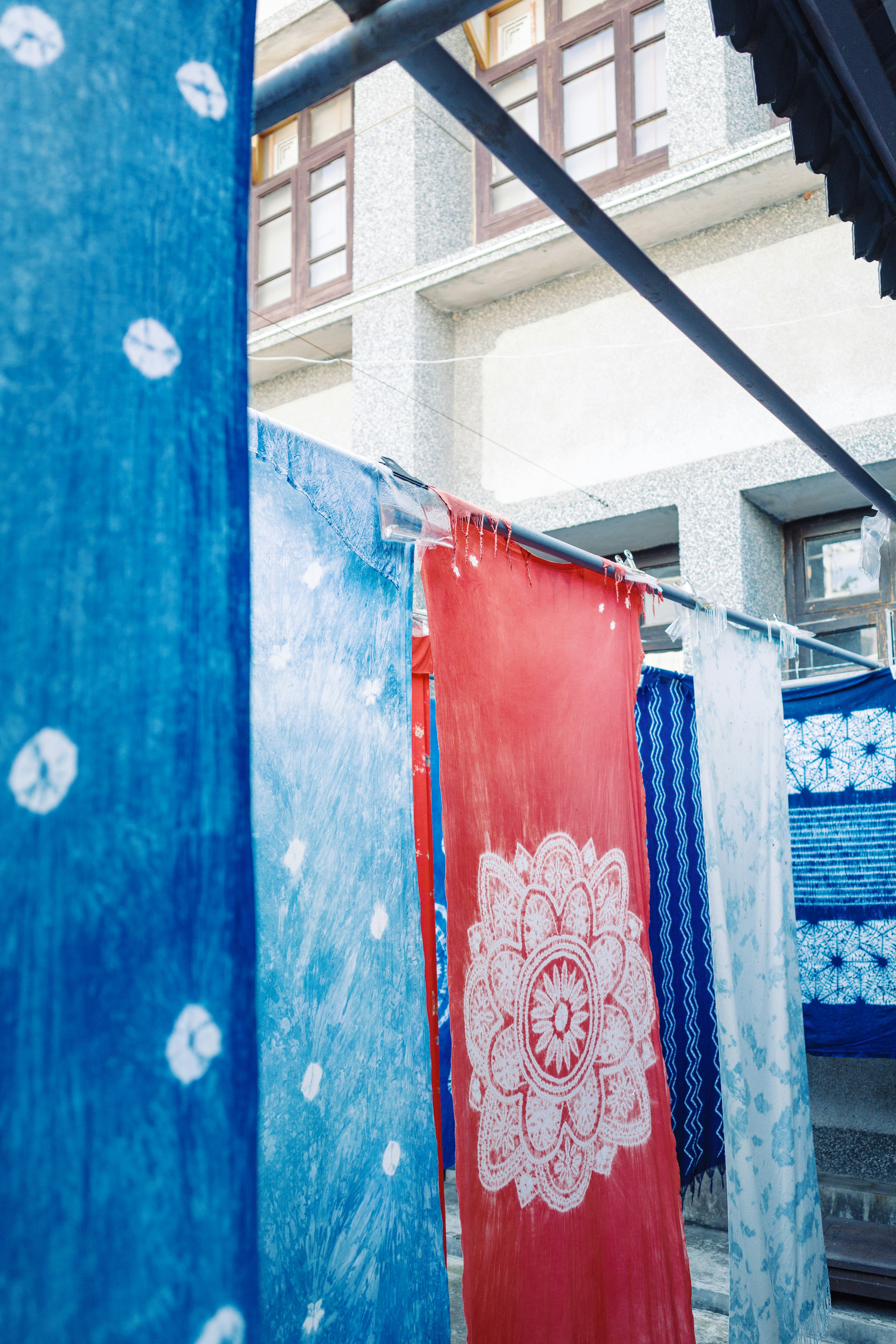
That lesson stuck with me far longer than any souvenir would have. Craft—like understanding—cannot be rushed. Both require showing up, failing, trying again, and trusting the process.
The Pilgrimages That Transform
Sometimes slow travel is literally about moving slowly.
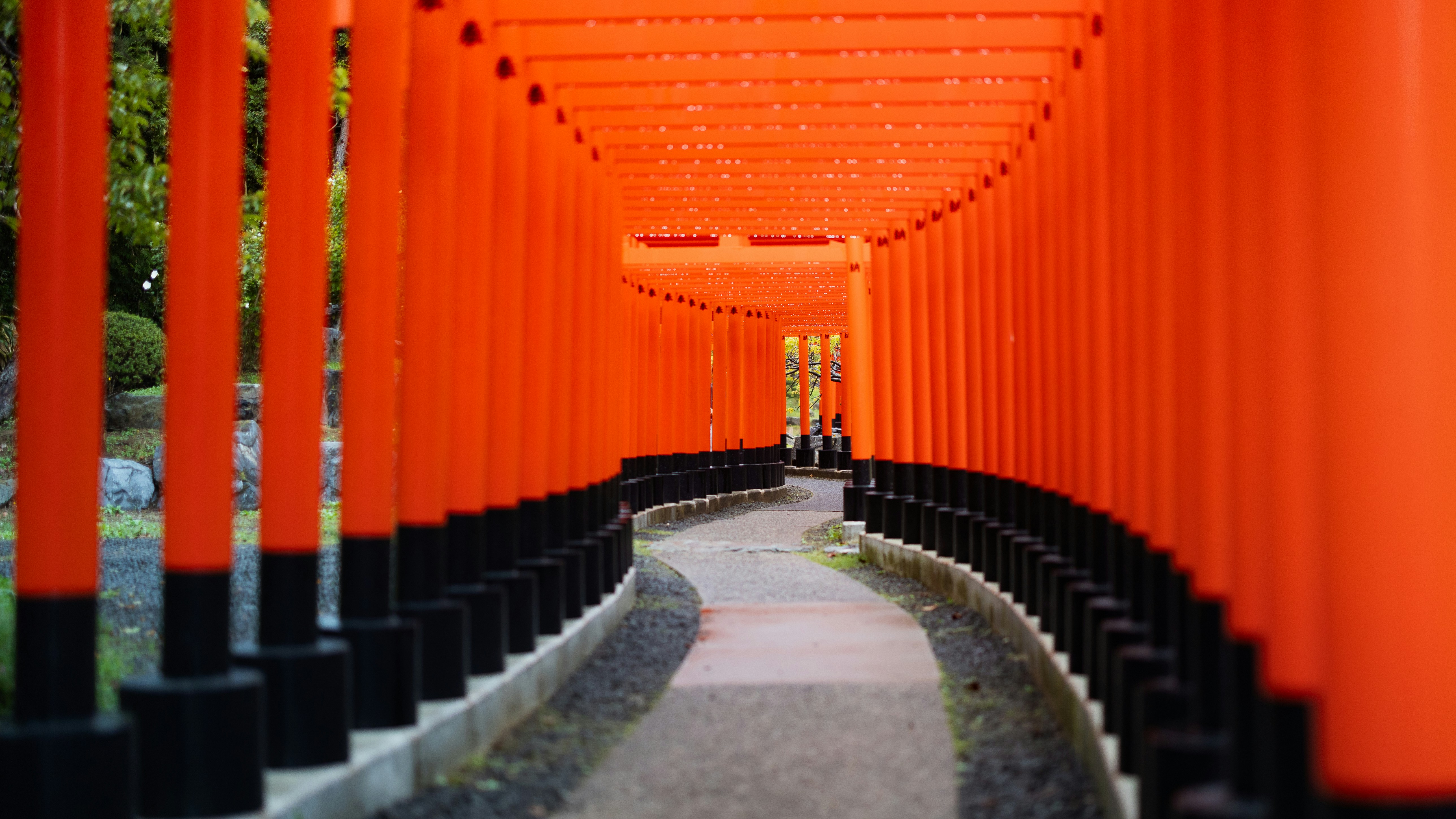
I walked the 88 Temple Pilgrimage in Shikoku, Japan—not all 1,200 kilometers (that takes months), but a week-long segment that still required waking at dawn, walking 20 kilometers daily, and staying in simple temple lodgings. No luggage forwarding services. No taxi backups. Just me, my walking stick, and the endless rhythm of putting one foot in front of the other.
On day four, exhausted and questioning my life choices, I stopped at a tiny roadside stand selling tea and mochi. The proprietor, an elderly woman who’d clearly seen countless pilgrims pass by, poured me tea without asking.
“Why walk?” she wondered.
“Because I thought it would be… spiritual?” I answered uncertainly.
She laughed. “Pilgrimage not about destination. It about walking. You learn everything you need from walking itself.”
She was right. The pilgrimage taught me that clarity doesn’t come from reaching goals—it comes from the journey itself. The space created by simple, repetitive movement. The way walking untangles thoughts that seem hopelessly knotted.
How to Plan Your Own Slow Travel Adventure
Ready to try slow travel? Here’s what I’ve learned:
I recognize slow travel requires time and resources not everyone has—and I don’t say this to suggest there’s a “right” way to travel. But if you can carve out space for depth, the rewards are extraordinary.
1. Choose Depth Over Distance
Instead of seeing five countries in five weeks, pick one region. Really live there. Rent an apartment. Shop at local markets. Find a café that becomes “yours.”
My month in a single neighborhood in Chiang Mai taught me more about Northern Thai culture than my entire previous tour of Southeast Asia. The vendors at my local morning market knew my order before I spoke.
2. Build In Empty Space
Don’t overplan. Leave afternoons with nothing scheduled. Wander without destination. Some of the best experiences I’ve had came from simply being open to whatever appeared.
That afternoon by the Mekong wasn’t planned. It happened because I’d left myself the space to be bored—and that boredom created room for something real.
3. Learn Something (Anything)
Take a cooking class. Study a craft. Learn basic phrases in the local language. Skills connect you to place in ways sightseeing never can.
The three days I spent struggling with shibori in Kyoto connected me to Japanese traditions of patience and craftsmanship more deeply than any temple visit could have.
4. Seek Community-Based Tourism
Look for homestays, village visits, or workshops where money goes directly to local communities. The Community-Based Tourism Institute in Thailand and Local Alike in Southeast Asia are great starting points.
The week I spent with that Karen village didn’t just support the community economically—it gave me friendships I still treasure years later.
5. Release Expectations
Slow travel means embracing uncertainty. Missed buses become conversations. Wrong turns become discoveries. “Bad weather” becomes an invitation to slow down further.
A missed train in rural Japan once led to an afternoon with a farming family who shared their harvest and their life stories. That “mistake” became one of my most cherished travel memories.
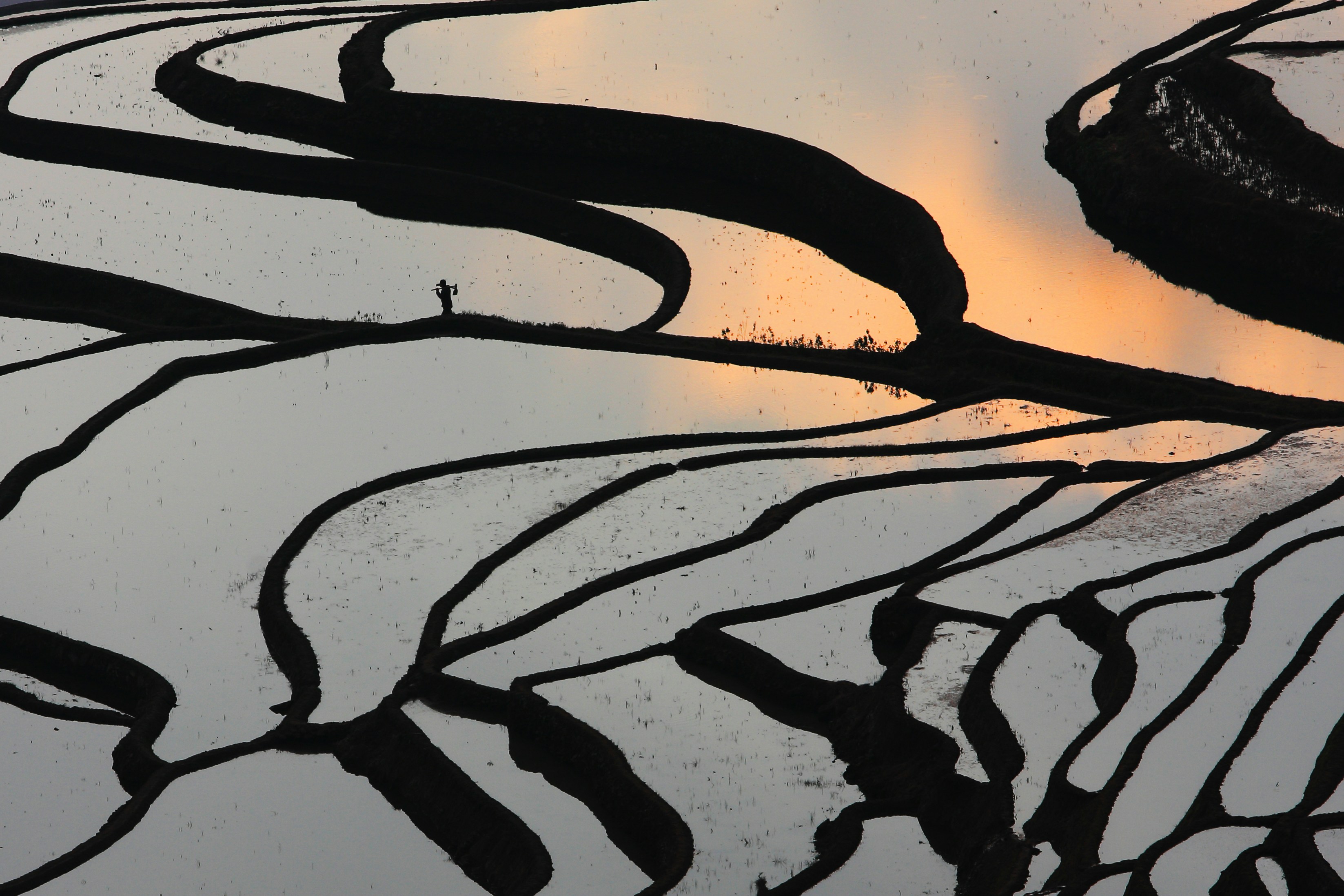
What Slow Travel Gives You
The woman I met by the Mekong that day? She eventually invited me to her home for lunch. We ate laap (spicy minced meat salad) with our hands, her family smiling indulgently at my clumsy attempts. No guidebook had mentioned them. No blog had recommended this experience.
It was just the kind of thing that happens when you stop trying to see everything and start letting place come to you.
That’s slow travel’s gift: not better photos or more stories, but different ones. Deeper ones. The ones that stay with you not because they were Instagram-perfect, but because they changed you—however subtly.
The Final Word
I still love temples. I still seek out beautiful places. But the experiences that reshaped me? They weren’t the ones I planned.
They were the afternoon I spent learning to make roti from a street vendor in Penang who adopted me as his apprentice for a day. The week I lived with a rice-farming family in Bali, waking at 4 AM to plant seedlings in mud that felt like alive. The days I wandered Kyoto’s backstreets without a map, discovering shrines, gardens, and conversations I never would have found otherwise.
Slow travel, I’ve learned, isn’t about how slowly you move. It’s about how deeply you’re willing to connect.
And that connection? It’s waiting for anyone curious enough to linger.
Have you had a slow travel experience that shifted how you see the world? I’d love to hear about the places that weren’t on your itinerary but became the heart of your journey anyway.
Share this story


