
Contents
The Morning That Changed Everything
It was 5:30 AM in Penang, and I was following my nose—quite literally.
The air in George Town carries this remarkable quality, especially at dawn. It’s thick with possibility, layered with scents that pull you in a dozen delicious directions at once. I’d set out intending to find coffee, but instead found myself drawn down a narrow alleyway where an elderly woman tended to a steaming wok, her movements so practiced they seemed almost choreographed.
“You’re up early,” she smiled, without turning around.
“I could smell your cooking from two streets away,” I admitted.
She laughed—and that’s how I found myself sitting on a plastic stool, watching the world wake up over a bowl of char kway teow that would fundamentally change how I understood food.
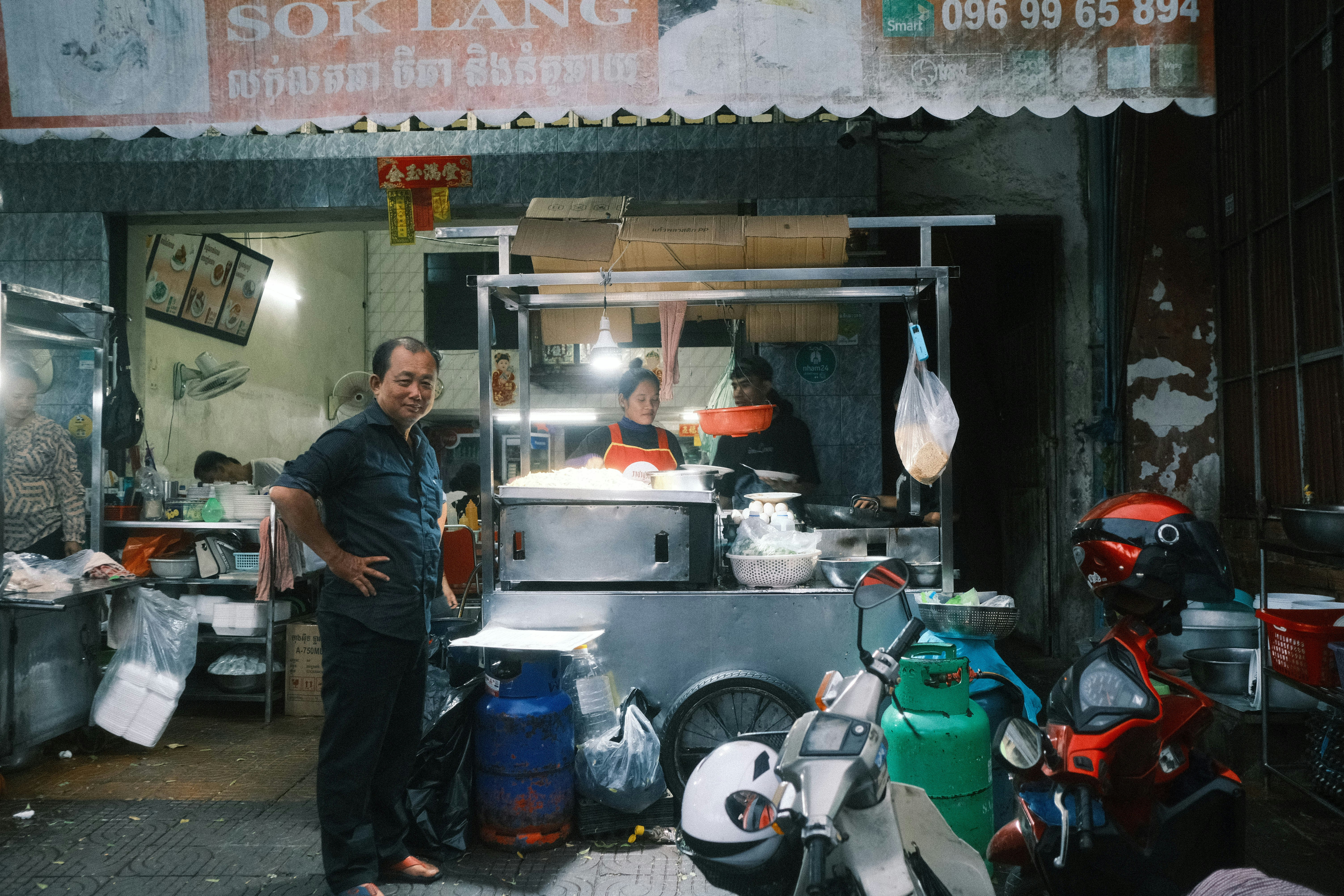
The Symphony of Spices
Here’s what I’ve learned after years of eating my way across Southeast Asia: this isn’t just cuisine. It’s memory, preserved in flavor.
In Vietnam, I spent a morning in Hanoi’s old quarter with a woman named Mai, who showed me how to make phở broth properly. “My grandmother taught me,” she said, dropping star anise and cinnamon into the pot she’d been simmering for six hours. “She said good broth cannot be rushed. It needs time to remember itself.”
We sat cross-legged on her kitchen floor as she told me about fleeing Saigon in the 1970s, bringing nothing but her mother’s recipe book. The phở that emerged was more than sustenance—it was resilience, distilled into a bowl.
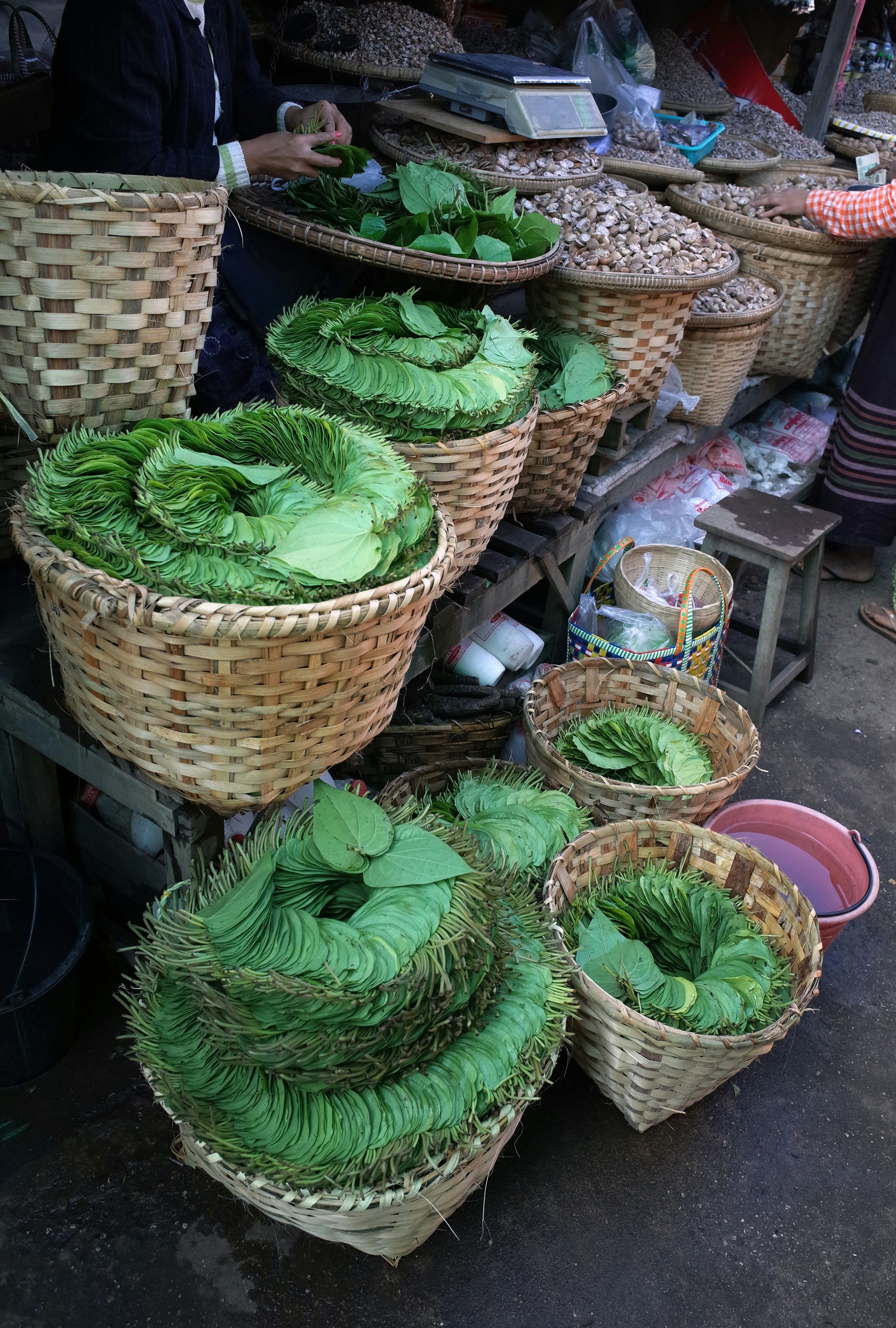
In Thailand, I learned that som tam (green papaya salad) isn’t just food—it’s a conversation. The balance of sour, sweet, salty, and spicy varies from village to village, family to family. One street vendor in Chiang Mai told me she could identify which province someone came from just by how they seasoned their papaya. “The Northeast likes it fierce,” she grinned, pounding garlic and chilies with mortar and pestle. “Central Thailand? We have gentler hands.”
The Markets That Teach Us
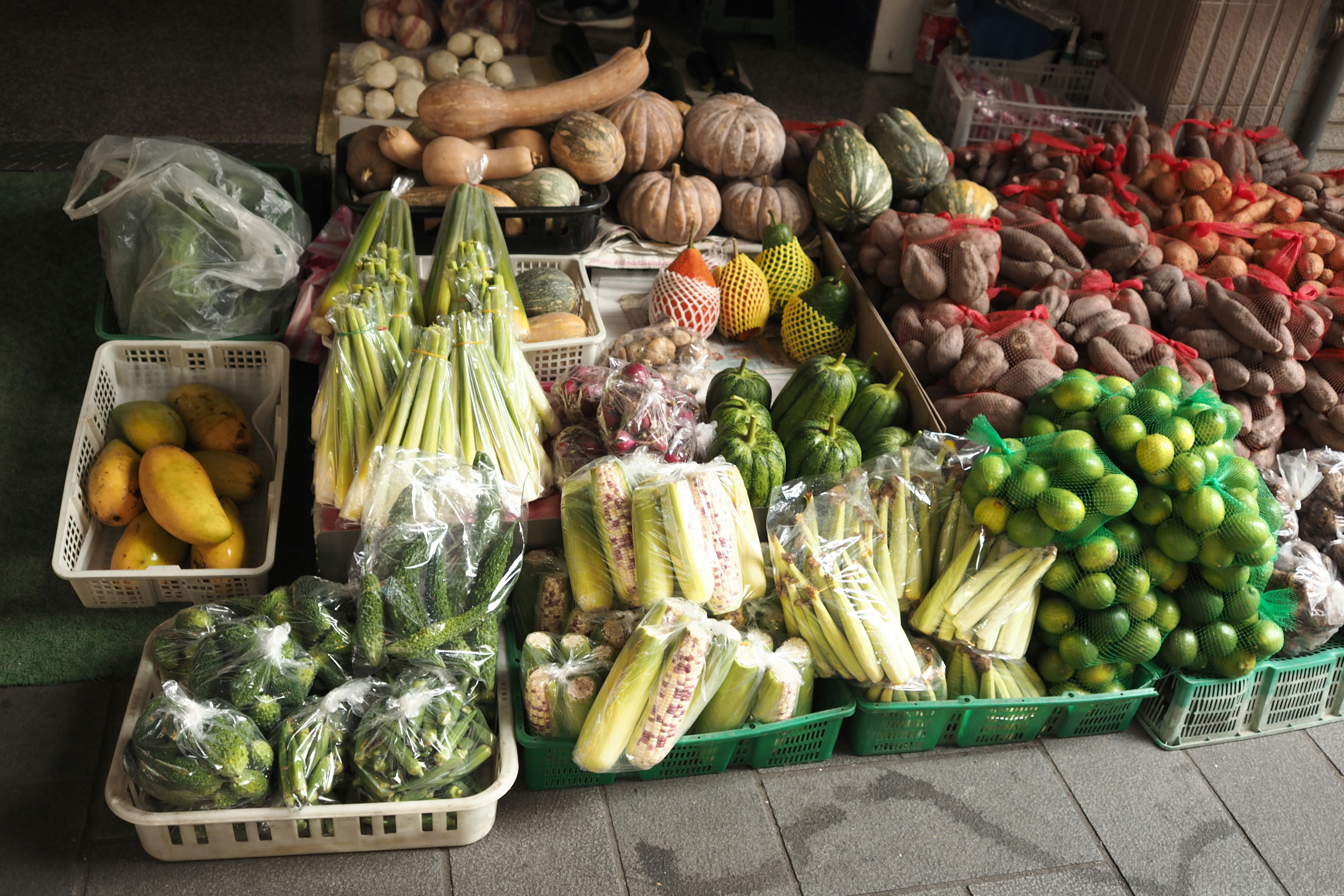
If you really want to understand Southeast Asian cuisine, you have to go to the morning markets. Not the tourist night markets—those are performances. I mean the chaotic, wonderful markets where locals shop before dawn.
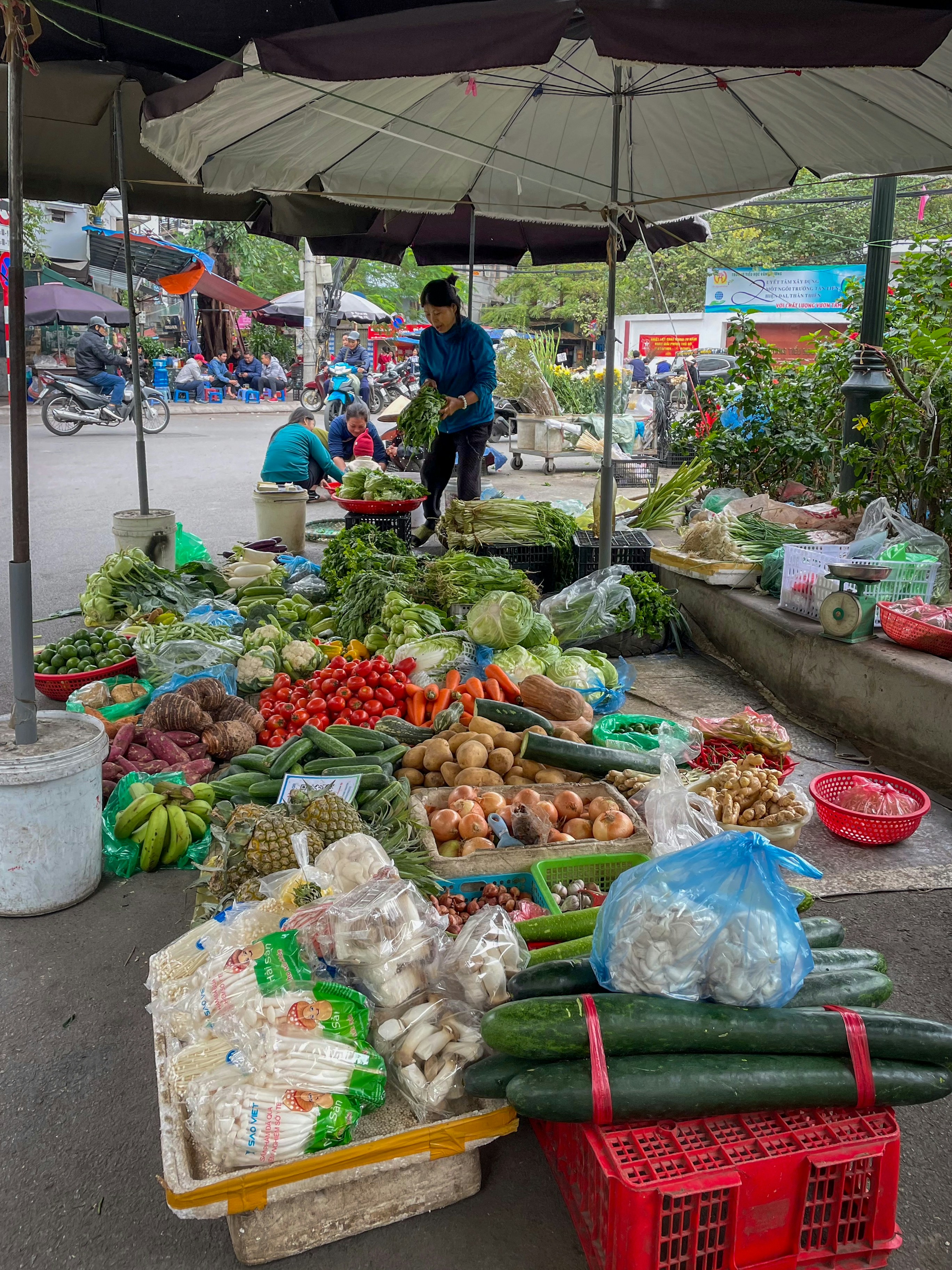
In Bangkok’s Or Tor Kor market, I once watched a chef examine mangoes for 20 minutes before selecting three. He held each one to his ear, tapped it gently, as if listening for something. “Perfect mangoes sing,” he told me solemnly. Then he taught me that the best green mango salad requires fruit that’s almost ripe—that precise moment where sweet meets sour in perfect tension.
In Singapore, I discovered that laksa tells the history of the region in a single bowl. Chinese noodles. Malay coconut curry. Indonesian spices. It’s fusion cuisine born from centuries of trade, migration, and cultural exchange. “We didn’t invent these ingredients,” a Peranakan cook explained. “We invented how to make them get along.”
The Recipes That Survived
What moves me most about this cuisine is how it preserves what matters. Family recipes passed down like precious heirlooms. Techniques refined over generations.
I remember cooking with a grandmother in Bali who made babi guling (roast pig) for temple ceremonies. Her hands moved with a confidence that only comes from thousands of repetitions. “My granddaughter wants to open a restaurant,” she said, seasoning the pig with base genep—that intoxicating blend of shallots, garlic, ginger, turmeric, chilies, and a dozen other spices. “I told her: first, learn to cook with your heart. Then worry about customers.”
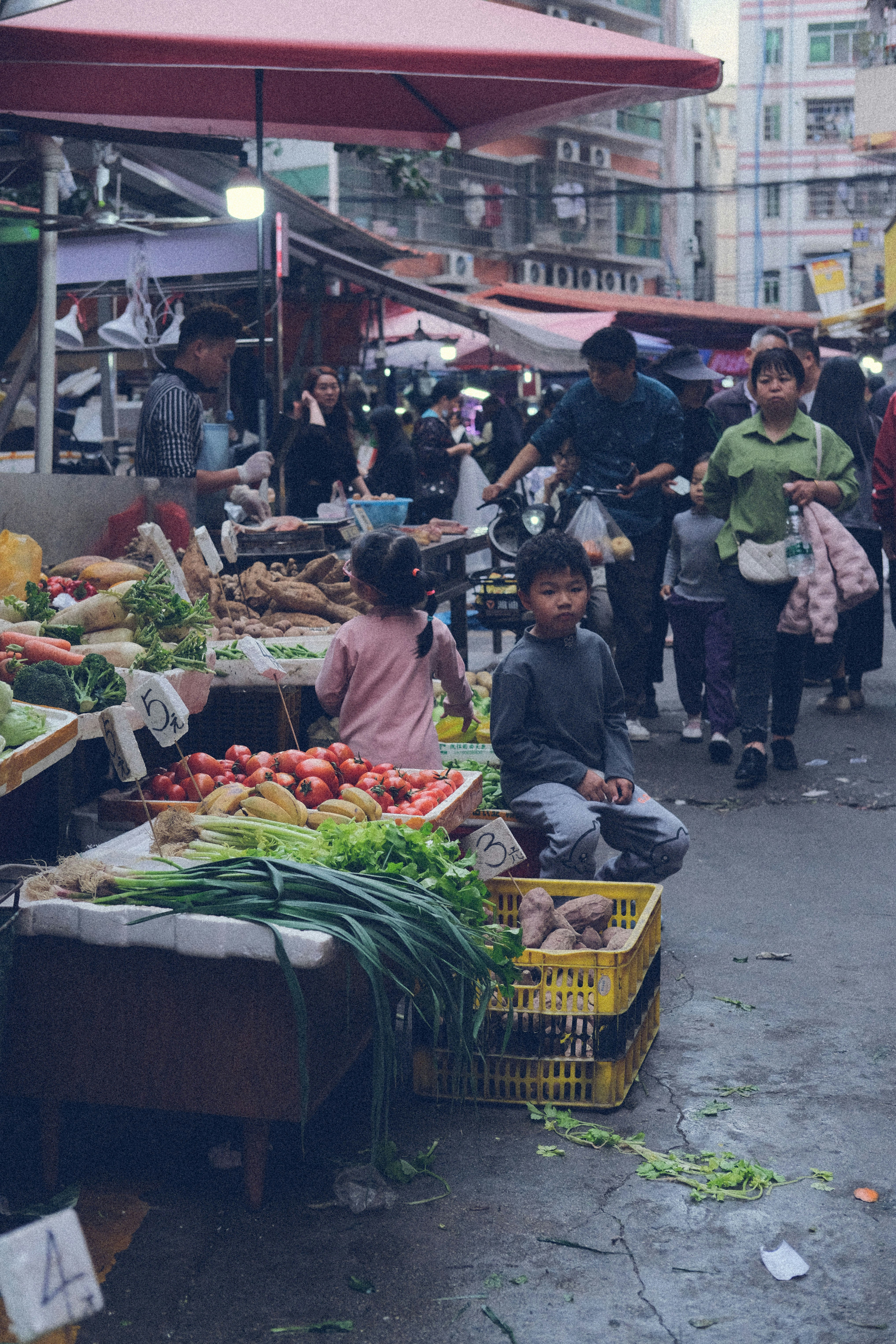
In Indonesia, I spent weeks learning to make rendang. The Minangkabau people who created it say the dish should be cooked slowly enough that the meat absorbs every drop of coconut milk until it’s almost dry. “Good things take time,” my teacher kept saying, as we stirred the pot for five hours. And when we finally ate it—oh. The complexity. The layers of flavor that unfolded with each bite. This wasn’t just dinner. It was a lesson in patience.
Your Own Culinary Adventure
Want to bring these flavors home? Here’s what I’ve learned:
-
Find an Asian market—not the upscale ones, but the cramped, aromatic ones where grandmothers shop. Ask questions. They’ll point you toward the real stuff.
-
Buy whole spices—toasted and ground fresh, they’re completely different from pre-ground powder.
-
Practice balance—Southeast Asian cooking is constantly adjusting sour (lime, tamarind), sweet (palm sugar, coconut), salty (fish sauce, soy), and spicy (chilies). Trust your tastebuds.
-
Embrace imperfection—every cook I met adjusted recipes seasonally, mood-dependently, according to what looked freshest at the market that morning.
The Last Word
That morning in Penang, after I finished my char kway teow, the cook wiped her hands on her apron and smiled.
“You know why people travel for food?” she asked, not really expecting an answer. “Because recipes are stories. And stories need to be shared.”
I’ve never forgotten that. Every dish I’ve tasted across Southeast Asia carries within it generations of wisdom, creativity, and love. These aren’t just meals—they’re invitations to understand something deeper about how people live, what they value, what they cherish.
So the next time you’re eating tom yum or nasi goreng or amok trey, take a moment. Really taste it. Wonder about the hands that made it. The traditions that shaped it. The stories preserved in every spice-scented bite.
That’s the secret of the spice bazaar. It’s not really about the food at all.
What’s the most memorable dish you’ve ever encountered while traveling? I’m always hungry for new food stories—and I’d love to hear yours.
Share this story


