
Contents
The Gallery That Changed Everything
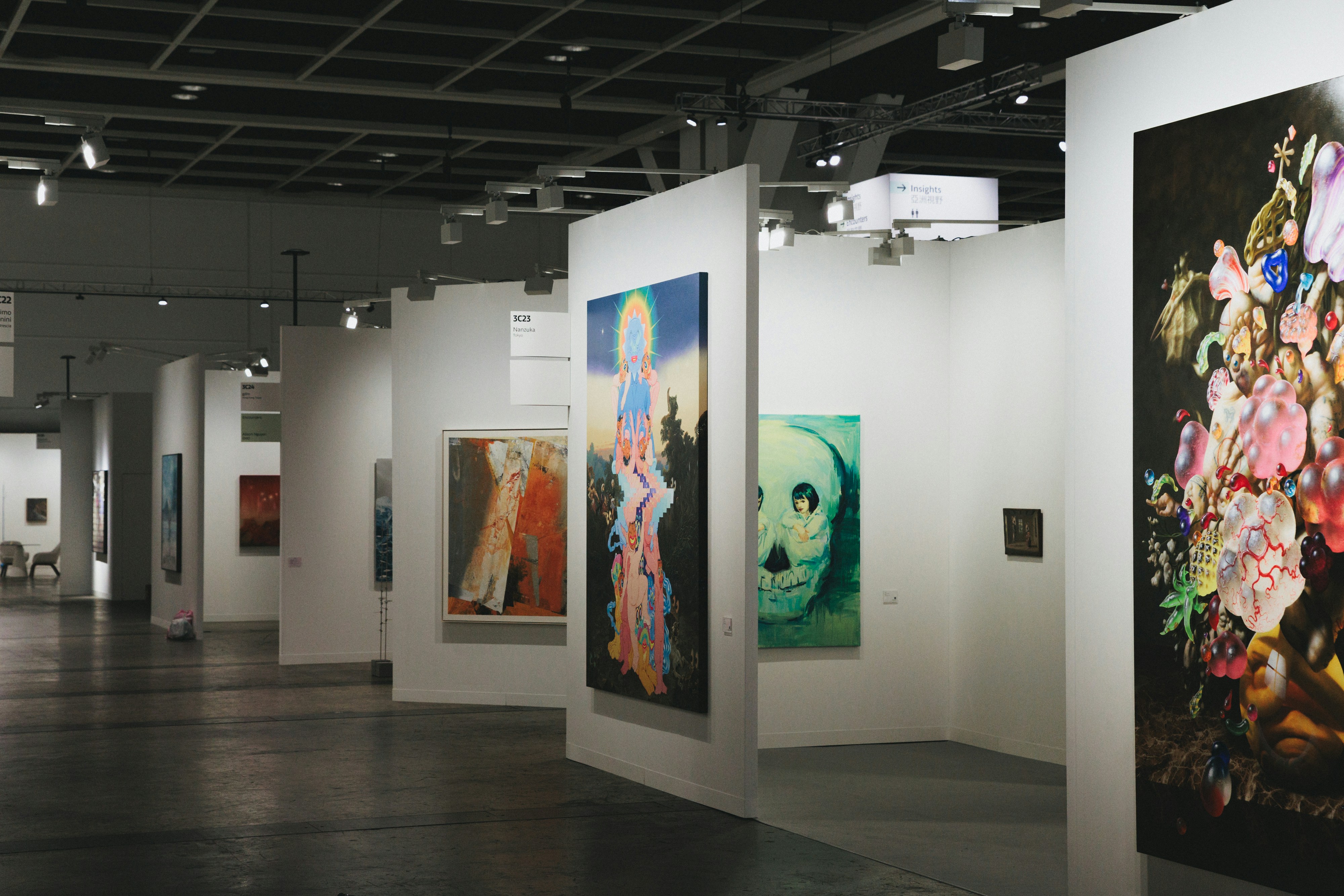
Three days into my Seoul trip, I’d seen enough galleries to fill a lifetime. Then a friend scribbled an address on a napkin: “No sign. Just knock.”
I found it tucked away in a backstreet, down stairs that looked like they led nowhere. No signage. No hype machine. Just a narrow doorway and the soft glow of light spilling onto concrete.
As someone who’d spent years consuming Western beauty standards, I wasn’t prepared for what I found inside.
What I found stopped me cold.
The exhibition was called Monologues in Color, and every piece demanded I look closer. Not just look—really see. Portraits that didn’t glamorize or exoticize, but simply… witnessed. Women with silver-threaded hair. Faces lined with decades of laughter. Eyes holding stories I couldn’t fully read but felt compelled to try.
The artist, a young Korean woman named Yoon Ji-hye, was adjusting a photograph when I found her.
“Why no makeup?” I asked, gesturing toward a series of stunning unretouched portraits.
She paused, considering. “Because we’ve spent centuries being told how to be beautiful,” she said finally. “I wanted to show what happens when we simply… exist.”
The Quiet Revolutionaries
That gallery visit opened my eyes to signs of a cultural renaissance emerging across Asia—a movement of artists who aren’t seeking fame. They’re seeking something more radical: authenticity.
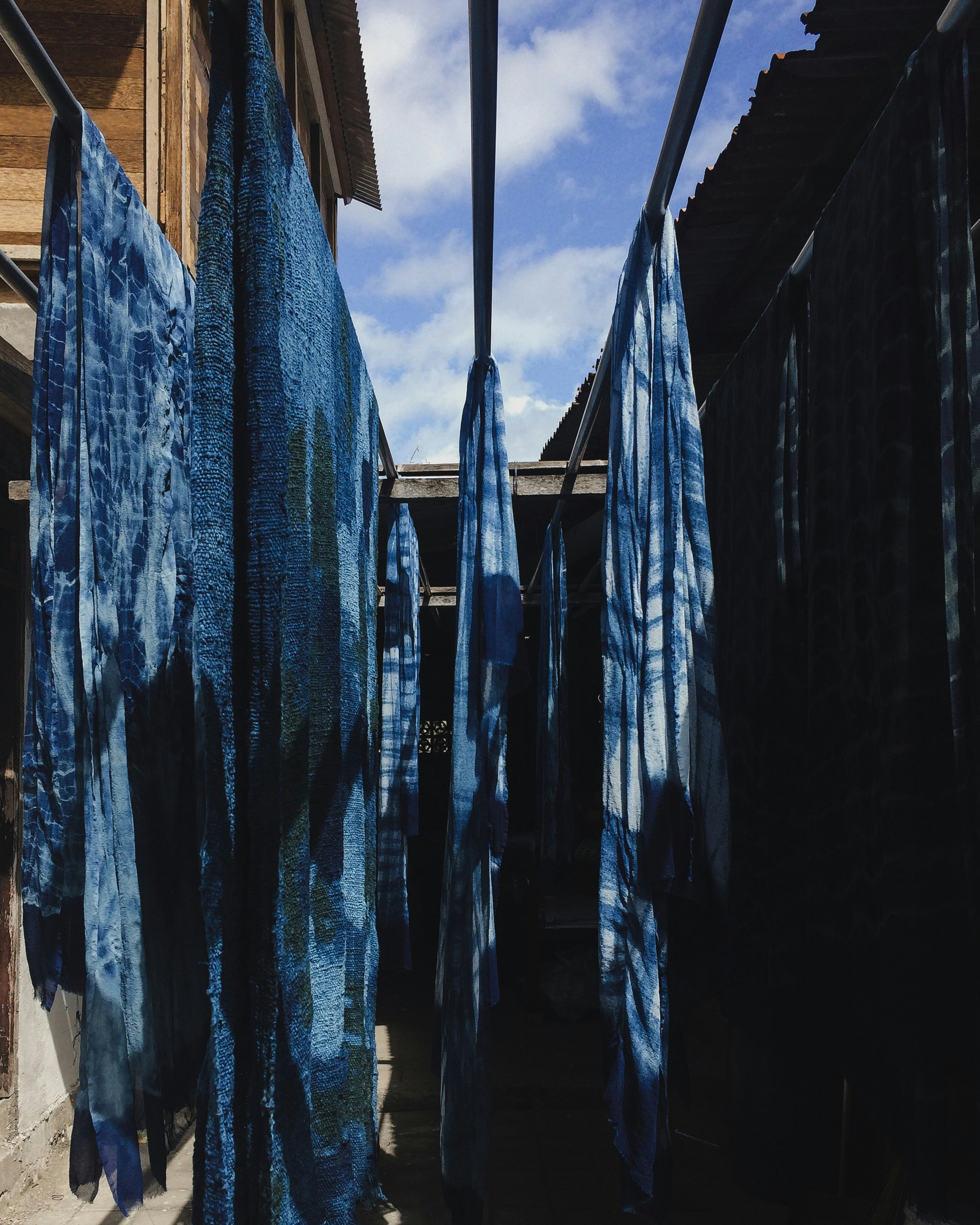
Consider Minji Chen, a textile artist in Hangzhou who’s reviving forgotten dyeing techniques her grandmother practiced. I spent a day in her studio watching transform persimmons, onion skins, and tea leaves into a palette that defies expectations. “Fast fashion taught us to consume,” she told me, dipping silk into indigo she’d fermented for months. “Slow craft teaches us to cherish.”
Her work isn’t just beautiful—it’s rebellion against disposability. Each piece carries intention, patience, a refusal to cut corners. Her textiles now sell in galleries from Tokyo to New York, proving there’s a growing market for patience.
This approach to craft mirrors what I’ve discovered about slow travel—when we rush, we consume. When we slow down, we truly see.
In Mumbai, I met Priya Sharma, a photographer documenting the beauty rituals of women across India. Not the Bollywood-glamour version—the real stuff. Grandmothers rubbing coconut oil into granddaughters’ hair. The morning haldi ceremonies before weddings, where turmeric paste blesses the skin. The intricate mehndi applied during quiet girl-talk evenings.
“I spent years trying to look like the magazines,” she admitted, showing me portraits of women from Kerala to Kolkata, each radiant in her own way. “Then I realized: our beauty isn’t in spite of our differences. It’s because of them.”
The Guardians of Tradition
What fascinates me most about these artists is how they’re not rejecting tradition—they’re reimagining it.
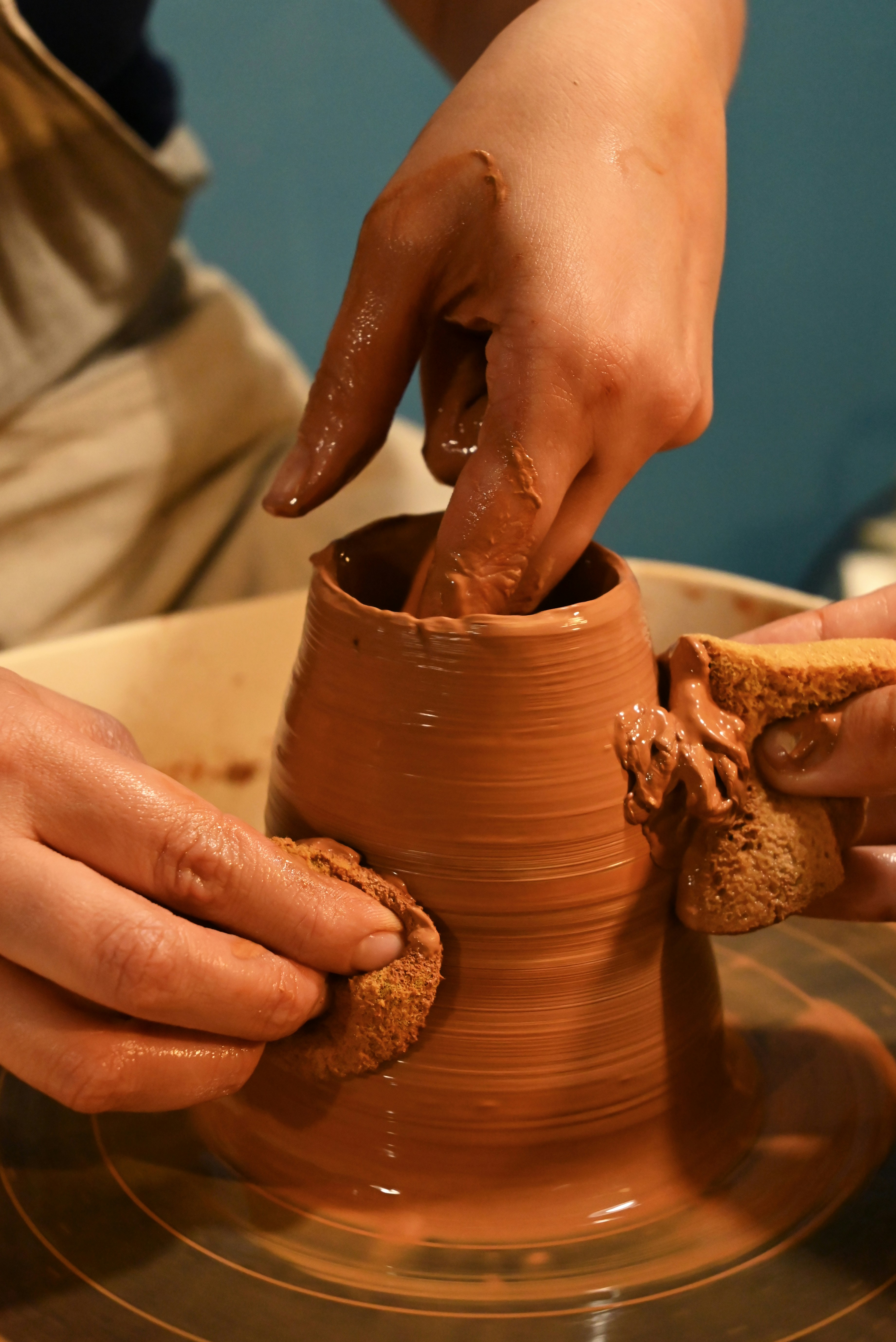
In Kyoto, I watched Takeshi Yamamoto create kintsugi—the Japanese art of repairing broken pottery with gold lacquer. In Japan, this 15th-century practice turns broken pottery into art more valuable than the original, transforming damage into history.
“Western culture teaches us to hide our cracks,” he explained, gold dust catching light as he carefully filled a hairline fracture. “We celebrate them. The broken places are where the light enters.”
That philosophy felt revolutionary—not despite its ancient roots, but because of them.
His studio was filled with bowls, plates, cups that had shattered and been made more beautiful for it.
In Bali, Made Wijaya (not his birth name, but one he chose in honor of his artistic home) spent decades documenting traditional architecture before it disappeared to development. “Hotels were copying Balinese design without understanding the language,” he told me, sketching temple proportions. “I wanted to preserve the grammar so others could write their own poems.”
The Digital Dreamers
This isn’t just happening in physical studios. Online, Asian creators are redefining beauty standards on their own terms.
I discovered Japanese illustrators who never show their faces, instead sharing watercolor illustrations celebrating body diversity—stretch marks, scars, cellulite—all rendered with such tenderness they feel like love letters. “My mother always said beauty was pain,” one artist wrote in a caption. “I’m learning it might actually be acceptance.”
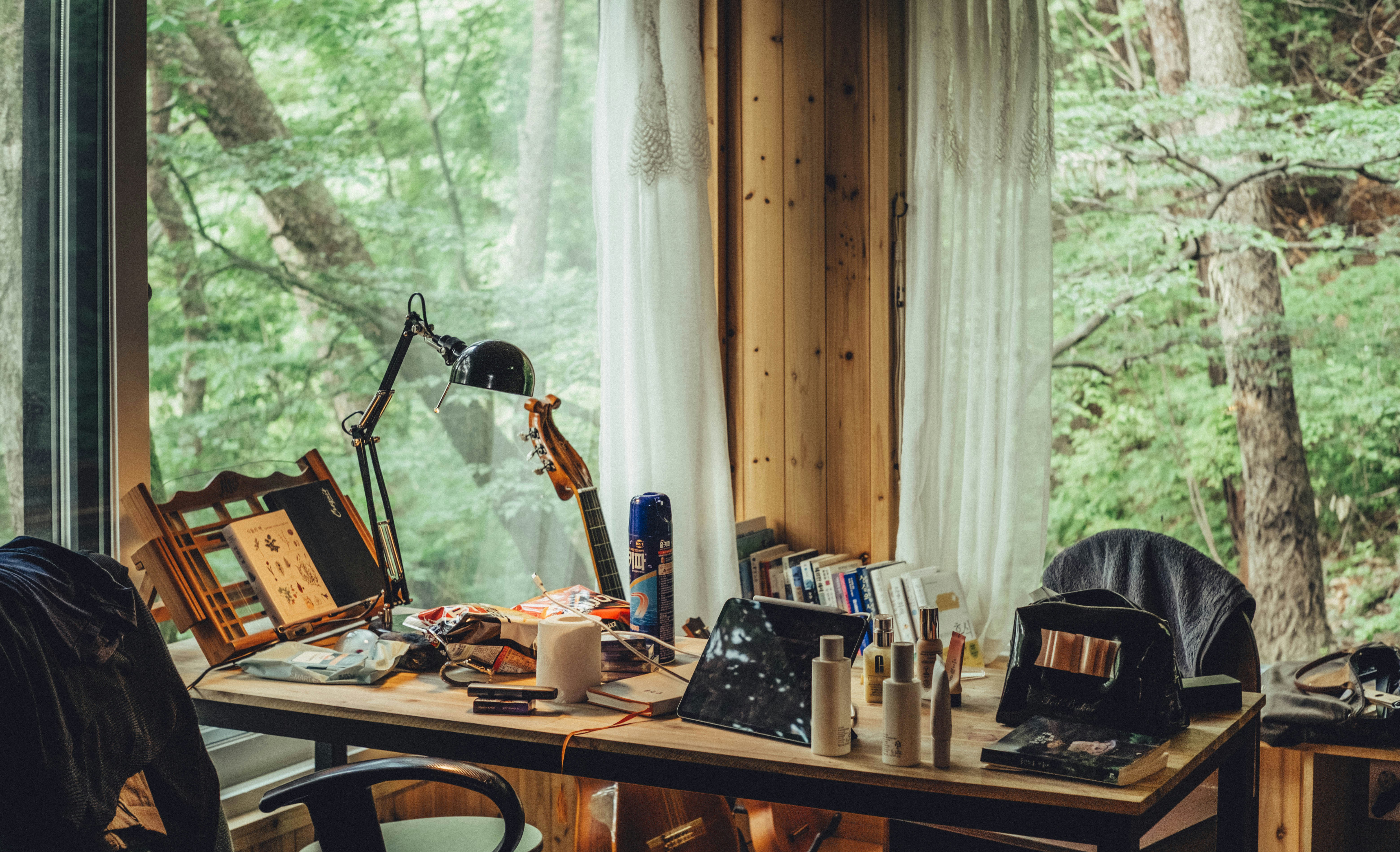
In Seoul, I discovered filmmakers creating documentaries about ajeoshi (middle-aged men) finding expression through traditionally feminine art forms—embroidery, flower arranging, dance. “We gender creativity,” one filmmaker told me. “But art doesn’t care about gender. It only cares about truth.”
For real-world examples of artists challenging conventional beauty standards, explore the work of Julia Moon or Meli, who document body diversity through illustration.
What They’re Teaching Us
Spending time with these artists, I noticed something they all shared: a profound gentleness. Not weakness—a conscious choice to create rather than tear down. To include rather than exclude.
Yoon Ji-hye, the photographer, put it perfectly: “The old way of defining beauty was about narrowing the definition—telling people who fit and who didn’t. We’re trying to widen it. So everyone belongs.”
Your Invitation to See Differently
Here’s what these artists taught me: seeing beauty authentically isn’t passive. It’s a practice. It requires unlearning default settings and noticing what we’ve been trained to overlook.
The next time you dismiss a photo because it’s not Instagram-perfect, pause. Ask what you’re trained to overlook. The quiet portrait. The imperfect bowl. The face that doesn’t match conventional standards.
Ask yourself: What makes this beautiful?
Maybe you’ll discover something unexpected. Beauty that isn’t about symmetry or youth or trendiness. Beauty that’s about aliveness—the kind that radiates from people and things fully, unapologetically themselves.
The Last Brushstroke
I left Yoon Ji-hye’s gallery as dusk settled over Seoul. The city was transforming—neon signs flickering on, commuters rushing toward dinner, the beautiful orchestrated chaos of modern Asian life.
But I carried something quieter with me. Her final words, as I thanked her for reshaping how I see.
“We don’t need more people telling us what beauty looks like,” she said, locking the gallery door. “We need more people helping us recognize it in ourselves.”
That’s the work these artists are doing—not performing beauty, but revealing it. Not adding layers, but removing them. Not creating new standards, but remembering that beauty was never meant to be standardized.
It was meant to be seen.
Who’s the artist or creator that’s changed how you see beauty? I’m always looking for new perspectives—and I’d love to hear about the visionaries who’ve moved you.
Share this story


